Borrowed Drills, Written Rules: Running a Co-op Kit Library Without the Silent Resentment
Shared equipment is one of those ideas that sounds lovely in a meeting and gets complicated in a back room. Someone has the good drill. Someone else has a van. A third person has a cargo bike they used twice and now can’t store. Before long you’ve got a co-op kit library—or the beginnings of one—and the real question is not whether sharing is a good idea. It’s whether your group can handle the admin without turning a missing 10mm socket into a personality conflict.
At TBH Coop we like shared ownership that actually works. That means fewer heroic volunteers and more boring, visible rules. The aim isn’t to distrust members. It’s to make it easy to do the right thing, and harder for small irritations to fester.
Start with the inventory, not the enthusiasm
Before anyone posts a borrowing form, list what you actually own and who owns it. A co-op kit library can include laptops, projectors, catering urn, folding tables, cargo bikes, hand tools, a paint sprayer, camping gear, a sound system, or a shared workshop bench. Each item needs a simple record: what it is, its identifying mark, where it lives, what it costs to replace, and whether it needs consumables or specialist care.
Keep the list somewhere every member can see. A shared spreadsheet is fine. A laminated sheet on the wall is fine. A wiki nobody opens is not fine. The inventory should also say what is not available for loan: the co-op’s own laptop, the first-aid kit, the one extension lead that keeps the office running. Clear exclusions prevent awkward conversations later.
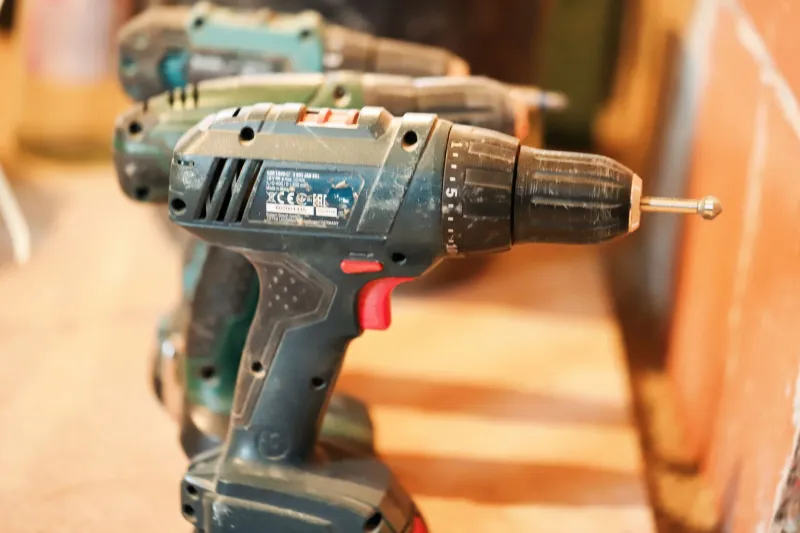
Give every asset a homespun ID: a sticker, a tag, a painted code. “The blue drill” is not an inventory system. “TL-014” is. It also helps when someone rings up to say the blue drill has stopped working and you can check whether it is the one that was already making a funny noise.
Write a borrowing agreement people can actually read
The agreement does not need to be a legal epic. It needs to be short enough that members read it and specific enough that they know what happens when things go wrong. Cover who can borrow, how long for, how to book, what condition items should come back in, and who to tell if something breaks.
A useful line to include is that borrowers are responsible for reasonable care, not for normal wear and tear. That distinction matters. A worn sanding belt is not a crisis. A returned drill with a cracked casing and no explanation is a conversation. The agreement should also set out that items are borrowed for personal or community use, not for hiring out to third parties unless the co-op has agreed it in writing. If someone wants to use the shared catering kit for a paid gig, that is fine—but the contribution rules should reflect the extra risk.
Keep a signed or ticked copy for each member. Digital is fine. The point is not bureaucracy; it is a shared reference point when memories differ.
Contributions: money, time, and the odd tin of WD-40
Fair contribution rules are where many kit libraries quietly fall apart. If one person maintains everything and everyone else just borrows, resentment will arrive before the first item is overdue. So decide early how the library is funded and maintained.
There are three common models. A small annual member contribution works well for consumables and insurance. A pay-as-you-borrow contribution works better for expensive or high-wear equipment. A time-and-skills contribution—maintenance hours, collection rota, admin—works well when cash is tight but people have capacity. Most small co-ops end up mixing all three.
Be explicit about consumables. Blades, drill bits, gas, cleaning fluid, printer toner, replacement batteries and safety masks cost money. The borrower should either replace what they use or pay a stated consumable fee. Write it down next to the item. “Bring it back with a fresh blade” is clearer than “use your judgement”.
Keep a simple maintenance ledger, visible to members, showing what has been spent and what is due for servicing. Open books are not just for annual reports. They are how a shared asset stays trusted.
Damage, loss and the difference between broken and abused
Things break. That is normal. What causes trouble is ambiguity. Set out a three-step response. First, report it. Second, agree whether it is fair wear and tear, accidental damage, or negligence. Third, decide who pays and how.
For small co-ops, a repair fund is often kinder than a deposit scheme. Members contribute a small amount when joining or borrowing, and the fund covers minor repairs. For bigger losses, the agreement can say the member is asked to contribute towards replacement at a rate agreed by the committee or membership. Do not make it punitive. A kit library should not turn a dropped projector into a debt crisis.
Insurance is the other half of this. Check whether your existing policy covers the assets, whether they are covered away from the premises, and whether volunteers are included. If the answer is unclear, ask the insurer in writing. Do not assume that “community group” automatically means “covered”. For electrical equipment, think about PAT testing and safe storage. For cargo bikes, think about locks and maintenance. For catering kit, think about gas safety and hygiene. None of this is glamorous, but it is cheaper than discovering the gap after an incident.
Booking without buying software
You do not need a subscription platform to run a small library. A shared online calendar with the item code in the event title works for many groups. A spreadsheet with columns for item, borrower, out date, due date and condition notes works for others. A physical clipboard by the door works surprisingly well if the library is in one room.
Pick one system and make it the only system. Two booking methods means double-bookings. Set a simple borrowing period—say seven days for small tools, fourteen for larger kit—and allow one renewal if nobody else is waiting. Add a clear “report a problem” route, whether that is a named volunteer, a shared inbox or a note in the booking form. Keep the system light enough that people actually use it.
When a shared asset stops earning its keep
Every kit library needs an exit plan. An item that is never borrowed, costs more to maintain than it returns, or takes up space that could be used better is not a sacred cow. Agree a review trigger: for example, if an item has not been borrowed for twelve months, it comes to the membership for a decision.
The options are straightforward: sell it, donate it to another community group, lend it permanently to a member who will maintain it, or retire it responsibly. Record the decision and the reason. If the co-op has a constitution or asset lock, check what it says before disposing of anything significant. The exit plan is not a sign of failure. It is proof that the library is being run with its eyes open.
The culture bit
Rules alone will not make a kit library work. Culture will. Thank people who report damage. Celebrate the member who services the cargo bike. Make it normal to say “I’ve lost the chuck key” before it becomes a mystery. And keep the boring paperwork where everyone can see it.
Shared ownership works best when the dull bits are written down before the drill goes missing. That is not a lack of trust. It is how a small co-op keeps trust intact.