The High Street Doesn’t Have to Be Sold: A Sceptic’s Guide to Community Shares
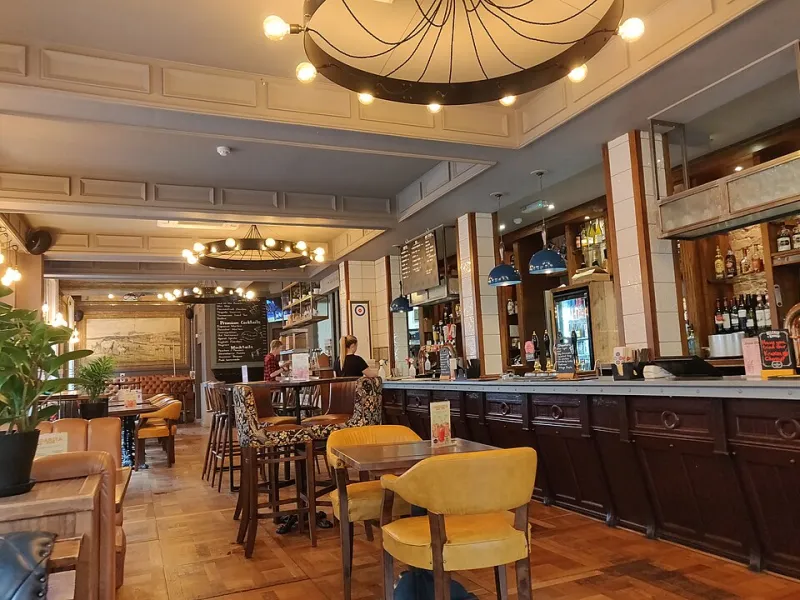
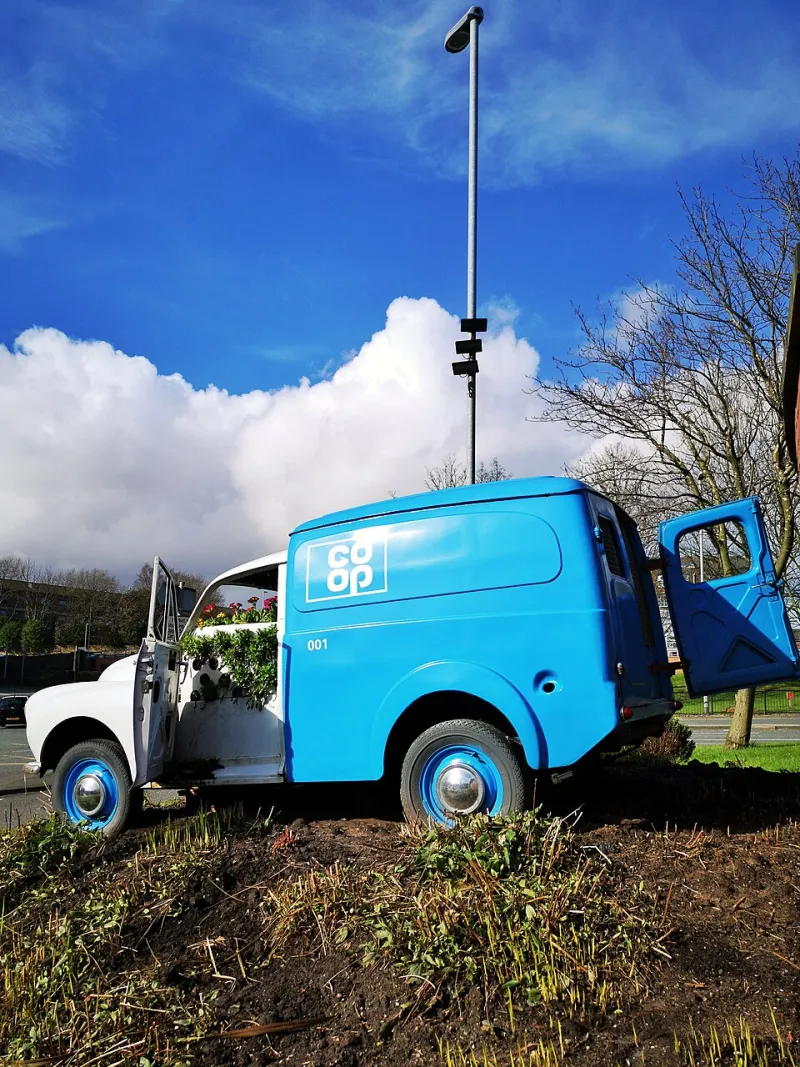
Photo: Tim Sheerman-Chase, CC BY 2.0, via Wikimedia Commons
Every few weeks another high street asset goes up for sale. The pub that has been the last social room in the village. The shop that doubles as a parcel point and a gossip exchange. The cinema with the faded art deco frontage and a leaky roof. The music venue where everyone says they saw their first gig.
In 2026, community share offers are still one of the most practical ways to buy those places back. They are also one of the most romanticised. A share offer is not a whip-round with a legal wrapper. It is a regulated fundraising process, a governance commitment and a long relationship with hundreds of people who each have one vote and a lot of opinions.
What a community share offer actually is
The usual model is a community benefit society, registered with the Financial Conduct Authority and run for community benefit rather than private profit. The society raises money by selling community shares—withdrawable share capital—to members. Members get one vote each, regardless of how much they put in. The society’s rules include an asset lock, which keeps the asset and any surplus in community use if the society is wound up.
Community shares are risk capital, not donations and not a savings account. They can be withdrawn, but only under the society’s rules, and withdrawals can be suspended if the society needs to protect its finances. Interest may be paid, but it is not guaranteed and should not be the reason people buy. Anyone who tells you otherwise is either confused or selling something.
The Community Shares Standard Mark, administered by Co-operatives UK, is a useful quality signal. The Plunkett Foundation has practical support for community pubs and shops. But no badge replaces proper legal and financial advice.
Why mutuals suit high streets
A community benefit society can hold an asset for the long term. It can bring together people who care about the place, not just the people who can afford to buy it. It can raise money from a wide membership, apply for grants and loans, and keep the asset locked for community use. When it works, it is a genuinely different ownership model: not a charity, not a private company, but a mutual.
It also has to run a business. A pub needs customers, a shop needs stock and staff, a cinema needs audiences and a programme. Affection is not a business plan. If the underlying operation is not viable, community ownership just moves the losses onto volunteers.
The ethical guardrails
Start with the legal form. A community benefit society with an asset lock and one member one vote is the standard. Make sure the rules are clear on membership, voting, board elections, conflicts of interest and dissolution. Publish open books—not because a regulator demands it, but because members own the thing.
Set share terms honestly. Explain that shares are withdrawable, not guaranteed, and that withdrawals may be limited. Avoid promising high interest or quick returns. Be careful with language: community shares are not a conventional investment product, and financial promotion rules apply. Get advice on the share offer document.
Think about fairness. A minimum shareholding should be affordable. A maximum shareholding can stop one wealthy donor dominating the society, even if votes are equal. Reach beyond the usual meeting-goers. If the only people who can afford shares are the retired professionals in the village, you have a mutual for the retired professionals.
Common pitfalls
The first is treating the share offer as a fundraising campaign rather than a governance project. You are not just raising money; you are creating a democratic organisation. That means paperwork, meetings, board training and patient communication.
The second is underestimating the boring costs. Legal fees, accountancy, surveys, insurance, VAT advice, building repairs, staff costs and working capital. A share offer that raises the purchase price but leaves nothing for the first year is a trap.
The third is volunteer burnout. Steering groups are often small, skilled and exhausted. Give people defined roles, paid support where possible, and a plan for what happens after opening. The first year of community ownership is not a victory lap; it is when the real work starts.
Other pitfalls: a business plan built on optimism rather than evidence; over-reliance on a grant that may not be repeated; ignoring accessibility and safeguarding; a share withdrawal queue that nobody explained; conflict between founders and new members; and launching too early because the seller has set a deadline.
A realistic route from public meeting to funded mutual
-
Hold a listening meeting, not a sales pitch. Find out who cares, what they can offer, and what worries them. Form a steering group with finance, legal, operations and communications skills, plus people who actually use the place.
-
Test the asset and the business. Get accounts, condition surveys, lease or ownership details, footfall, competition and a view on repairs. Ask the awkward question: is this the right asset, or just the one that happens to be for sale?
-
Choose the legal form and take advice. Register the community benefit society, adopt rules with an asset lock and one member one vote, and appoint a board. Do not skip the legal costs.
-
Build the plan and budget. Include purchase, repairs, equipment, working capital and a contingency. Model a pessimistic scenario, not just the hopeful one. Work out your funding mix: shares, grants, loans, donations.
-
Prepare the share offer properly. Write a clear share offer document with risk warnings, minimum and maximum targets, withdrawal policy and timetable. Seek the Community Shares Standard Mark if it fits. Get financial promotion advice.
-
Campaign in person as well as online. Public meetings, local press, posters in the chippy, conversations at the school gate. Explain the risk and the governance, not just the nostalgia. Make it easy to buy a small number of shares.
-
Launch, close and complete. Hold money in the agreed way until the minimum target is met. Complete the purchase, transfer staff and contracts properly, and insure everything before opening.
-
Govern and report. Hold member meetings, publish open books, train the board, answer questions and review the plan. Aftercare is not optional.
When not to do it
Do not do it if the business is not viable, if the community is split, if the building needs repairs beyond anything you can raise, or if nobody has the time to run the governance. Consider alternatives: a lease rather than a purchase, a community ownership trust, a council partnership, or a co-operative consortium with other local businesses. A failed share offer can leave scars.
Community shares are not easy. They are slow, legal, social and occasionally tedious. But they are one of the few ways to keep a high street asset in the hands of the people who use it. The high street does not have to be sold to the highest bidder. It just needs a community willing to do the unglamorous work.