The Room Isn’t Neutral: Designing Co-op Meetings Where Access Isn’t a Favour

A general meeting is not just a diary entry. It’s where a co-op decides who it is. So if some members can’t get through the door, can’t hear the debate, can’t read the papers or can’t vote without asking for a favour, then the decision isn’t really the membership’s. It’s the room’s.
Under the Equality Act 2010, co-ops can have duties to make reasonable adjustments depending on how they’re set up — as employers, service providers, or associations. But the legal floor isn’t the point. The point is that access is democratic infrastructure. It belongs in the meeting design, not in a last-minute email thread titled “can anyone help?”.
Here’s how small UK co-ops can make the next general meeting genuinely more accessible without pretending they need a consultancy and a six-figure budget.
Ask before you book
Start with the invitation, not the venue. Add a short, anonymous access-needs form to the meeting notice: step-free access, hearing loop, BSL interpretation, captioning, large-print papers, a quiet space, travel support, anything else. Make it clear people don’t have to disclose a diagnosis to ask for an adjustment. Give a deadline, but accept late requests where you reasonably can.
This isn’t bureaucracy. It’s how you avoid the classic co-op scramble where one member emails the night before to say the venue has three steps and the accessible loo is “probably open”. A standing access question on every notice also normalises the conversation. Access needs aren’t a surprise. They’re a standing agenda item.
The twenty-minute venue check
Before you book, ask three questions: can someone get to the door, can they get into the room, and can they leave without a detour through a kitchen? Then check the details that get missed.
Is the step-free route from public transport actually step-free, or just “near”? Is the accessible toilet unlocked, uncluttered and not being used as a storage cupboard? Does the hearing loop work, and does anyone know how to switch it on? Is there seating with backs and arms, not just a ring of beanbags? Is there a quiet room or a corner where someone can take five minutes without being asked if they’re alright?
None of this costs much. Most of it costs a phone call and a site visit. If the venue can’t answer basic access questions, that’s useful information. Book somewhere else.
Hybrid isn’t a webcam pointed at a table
One laptop at the back of the room is not a hybrid meeting. It’s a hostage video with minutes. If you offer remote participation, do it properly: a named online facilitator, a chat that’s actually monitored, a speaker order that includes remote hands, and a test of the mic and speakers before people join.
Captions help everyone, not just Deaf and hard-of-hearing members. BSL interpreters need to be booked early — they’re skilled professionals, not volunteers. If you can’t do hybrid well for a particular meeting, don’t use it as a tick-box. Record the session, caption it, publish it, and be honest that remote attendance isn’t available this time. A poor hybrid offer can be worse than none, because it tells disabled members they were invited as an afterthought.
Papers people can actually read
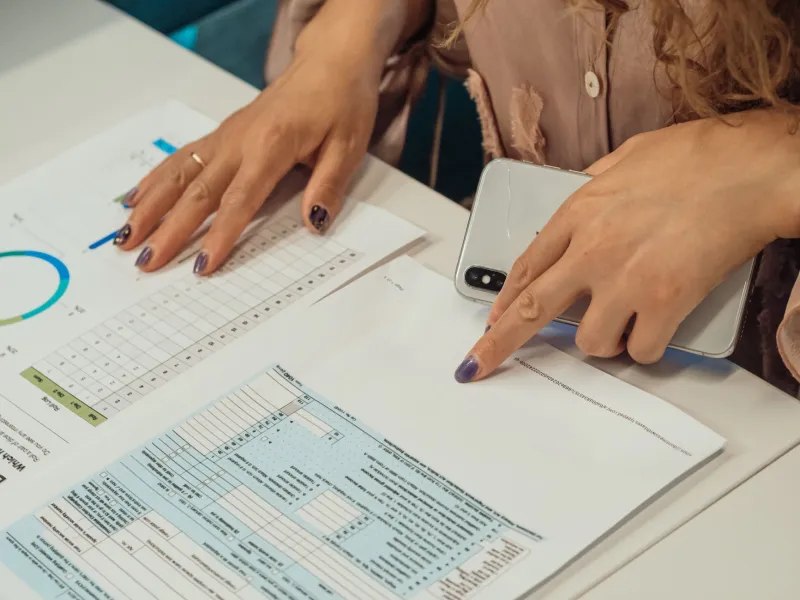
A scanned PDF of a printed spreadsheet is not an open book. Send papers at least seven days ahead where you can, and make them readable: proper headings, plain English, alt text on images, real text rather than pictures of text, and a font size that doesn’t require a magnifying glass.
Offer an easy-read summary of the key decisions. If a paper is long, add a one-page “what you need to know” section. Where it’s useful, provide a read-aloud version or a short audio summary. This isn’t dumbing down. It’s making the decision-making material usable. A co-op that prides itself on transparency cannot circulate papers that only a quarter of the membership can comfortably read.
Put access in the budget
Access isn’t free, but it’s usually cheaper than people fear. A small co-op can set aside a modest per-meeting adjustments budget — say £100 to £300 — for things like BSL interpretation, transcription, travel support, or printing large-print papers. Compare that to the cost of a rerun meeting, a lost quorum, or a decision that gets quietly undermined because a chunk of the membership couldn’t take part.
If your co-op can spend on a venue, it can spend on access. Put the line in the budget and stop treating adjustments as a special request. Special requests are how access becomes a favour. Budget lines are how it becomes normal.
Voting that doesn’t assume a straight line
Think about how people actually vote. Can someone vote by proxy if they can’t attend? Is there a secure online voting window for members who find evening meetings difficult? Are ballot papers available in large print? Does the chair explain the motion in plain language before the vote? Can someone ask for the question to be repeated without feeling like they’re holding up the room?
Don’t make disabled members publicly declare their access needs in order to vote. Build the options in, then let people use them. A secret ballot can be an access measure too.
After the meeting, keep going
Publish accessible minutes and a plain-English summary of decisions. Ask members what worked and what didn’t. Keep a simple access log so the next meeting doesn’t start from zero. Review it once a year, not once a crisis.
Access isn’t a favour you do for a disabled member. It’s the shape of the democracy you’re claiming to run. Build it into the room, the papers, the microphone and the budget, and the whole co-op gets better at making decisions in the open. Shared futures need shared rooms — and shared rooms need doors everyone can actually use.