Splitting the Surplus Without Splitting the Room

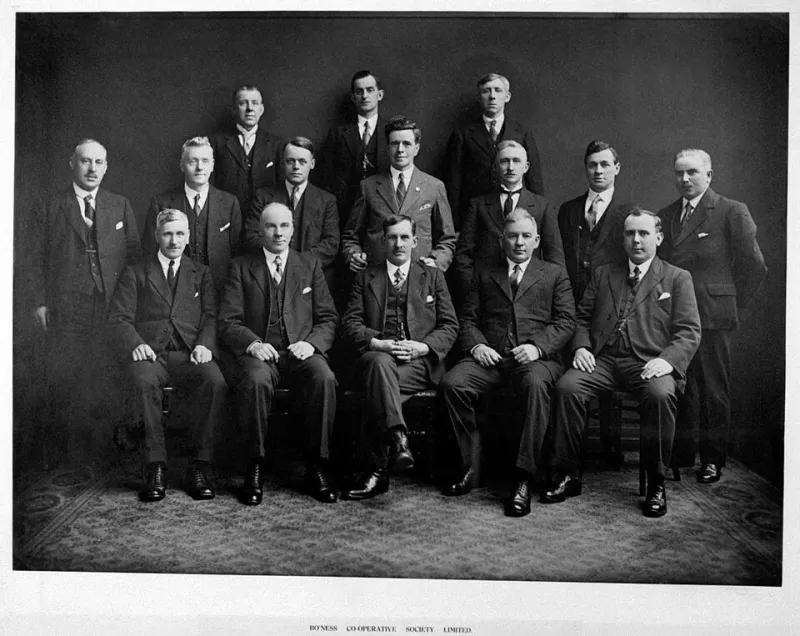
Photo: UK co-op AGM members budget charts surplus, via i.pinimg.com
Every small co-op has an annual argument waiting to happen. The accounts are in, the surplus is real, and someone asks the question: are we saving it, spending it, or sharing it?
Reserves, reinvestment or member distribution. The debate can turn an AGM into a standoff. It can also be the most useful conversation of the year. The difference is usually not the number. It is the process.
First, agree what surplus actually is
Surplus is the bit left when income exceeds expenditure. But do not skip the boring definitions. Is it surplus before or after tax? Is it cash, or is it tied up in unpaid invoices and stock? Use the same figure as your annual accounts, and get your accountant to confirm the tax position.
Also check your rules. A community benefit society may have restrictions on distributing surplus. A CIC has an asset lock. A co-op may distribute to members, but only in the way its rules allow. None of this is optional. If in doubt, ask.
Cash matters too. You cannot divide cash you do not have. A healthy surplus on paper can sit next to an empty bank account if customers owe you money or you have just bought a van. Model cash, not just surplus.
The three buckets
Most small co-ops are really choosing between three buckets.
Reserves. Money set aside to keep the lights on if income dips, a grant ends, or a boiler dies. Many co-ops aim for three to six months of operating costs, but the right number depends on your risk. A co-op with one big contract needs more buffer than one with steady subscription income.
Reinvestment. Money spent on the future: staff pay, training, equipment, a new project, energy efficiency, community activities. Reinvestment is not always glamorous. Sometimes it is a new laptop and a decent chair.
Member distribution. Money returned to members under the rules: a dividend, a share interest payment, or another form of distribution. This is not greed. It is one of the ways a co-op says the surplus belongs to the people who earned it.
You may have a fourth bucket for donations or community grants. Fine. Just label it honestly.
Model three scenarios, not one
Do not bring a single recommendation to members and call it open books. Bring a simple model with at least three options: cautious, balanced, and generous.
Use a spreadsheet with a few rows: opening cash, surplus, reserves target, planned reinvestment, amount available for distribution, distribution per member. Then stress-test it. What happens if income falls by 15 per cent? What happens if the grant is delayed by six months? What happens if you spend nothing on repairs this year and the roof has other ideas?
Show the numbers in pounds and in per-member terms. A surplus of £12,000 sounds abstract. A distribution of £150 per member is something people can picture. A reserves buffer of three months is a sentence people can understand.
Do not model only the best case. The best case is not a plan. It is a wish.
Put the trade-offs in plain English
Members are adults. They can handle the trade-offs if you show them clearly.
Try sentences like: keeping £18,000 in reserves buys us roughly three months of wages if the main contract stops. Spending £5,000 on the kitchen means we can run more sessions and charge more. Distributing £6,000 gives each member £75, but it leaves less room for a bad month.
If you only share a recommendation, you invite suspicion. If you share the trade-offs, you invite a decision. That is the difference between a closed board and an open book.
Run the decision as a process, not a bunfight
Decide in advance how the decision will be made. Do your rules say members approve distributions? Does the board set the reserves policy? Is there a members' meeting or written resolution? Put the process in the papers, not in a corner of the chair's memory.
Send the AGM paper at least two weeks before the meeting. Include the headline numbers, the three options, the board's recommendation, the risks, and what happens next. Leave space for questions in advance. Make it easy for people who cannot attend to contribute.
At the meeting, separate the numbers from the feelings. People are not only arguing about money. They are arguing about fairness, security, and what kind of co-op they want to be. Name that. Then vote.
Record the rationale in the minutes. If you choose reserves over distribution, say why. If you choose a distribution, say what it means for next year. A decision without a reason is just a mood.
The AGM paper that works
Keep it to one page. A short table of the three options. A clear recommendation. A note on what would change the board's mind. A line about the reserves policy. A line about when members will see the results.
After the meeting, publish the decision and the reasoning. Open books is not a data dump. It is a habit of explaining decisions while they still matter.
Why the process matters more than the split
Members will remember whether they were treated like owners. They will remember whether the numbers were shared before the vote or after. They will remember whether disagreement was handled with respect.
The number is a snapshot. The habit of deciding together is the asset. Divide the money carefully, but divide the information generously. That is how a surplus becomes shared futures, not a standoff.