Fill the Hall, Not Just the Minutes: A Co-op AGM Field Guide
Photo: Co-operative News, CC BY 2.0, via Wikimedia Commons
Every co-op has a room booked, a pack of biscuits and a quiet fear of quorum. The annual general meeting is supposed to be the moment members hold the board to account, approve the accounts and set the direction. Too often it becomes a legal box-tick with the same eight people, the same slides and the same rush to finish before the car park charges kick in.
In 2026, there is no reason for an AGM to feel like a council sub-committee. A good one is designed backwards from the question: what do we want members to decide, understand and feel? Here is a practical field guide for UK co-ops that want a meeting with a pulse.
Start Before the Notice Lands
The notice of meeting is a legal document, but it should not read like one. Send it with a plain-English invitation: what the AGM is for, what will be voted on, what members will see and how long it will take. Put the date in diaries early, then send a short reminder two weeks out and another 48 hours before.
Ask for questions in advance. A simple form or email address works. The board can group themes, prepare honest answers and avoid the frozen silence that follows ‘any questions?’ at 8.45pm. If your co-op publishes open-book figures, send a one-page dashboard with the notice: income, reserves, surplus or deficit, member numbers and one line on the biggest risk. That gives people something to react to before they walk in.
Quorum Is Not a Goal
Quorum is the legal minimum, not a sign of health. Chasing it at the last minute is a warning light. If attendance is consistently low, ask members why. Is the time bad? The venue hard to reach? The agenda irrelevant? Are meetings always on a weekday evening when care responsibilities bite?
Practical fixes: hold the AGM alongside another event members already attend, offer a hybrid option with a proper facilitator, pay travel costs for low-income members, provide childcare, and use a buddy system so newer members are invited by someone they know. A 30-minute ‘quorum clinic’ before the start — tea, name badges, a quick explainer on how voting works — can turn a thin room into a confident one. If you still fail quorum, don’t just adjourn and shrug. Treat it as feedback and change the format next time.
Facilitation That Doesn’t Feel Like School
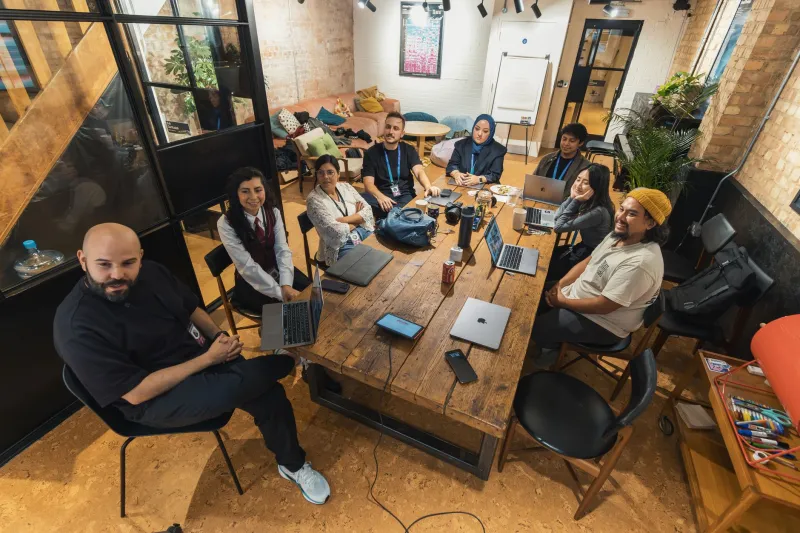
A neutral facilitator is worth the money. They keep time, protect quieter voices and stop the chair from becoming both referee and defendant. Set an agenda with timings and share it on the screen. Keep board reports short: five minutes, three key points, no reading slides aloud.
Use simple formats. A member Q&A with directors seated among the members, not behind a top table, changes the atmosphere. Try question cards for people who dislike speaking in public. Use a ‘parking lot’ for issues that need more time. When it comes to votes, explain each resolution in plain English before the vote, not after. If the constitution allows a show of hands, say clearly what a yes and a no mean. If you are using an online poll for hybrid members, test it before the meeting and make the result visible to the room.
Open Books in the Room
Statutory accounts are not a presentation. They are a reference document. Put them in the pack, then use the meeting to tell the financial story. The treasurer should be able to explain three numbers: what reserves we hold, what surplus or deficit we made, and what could knock us off course next year.
A dashboard on the wall or screen is better than a spreadsheet. Show the trend, not just the total. Say where the money came from and where it went. Invite a member to ask: ‘What would make us change course?’ That single question turns a report into a decision-making tool. Publish the slides and minutes within a week, with actions and owners. Openness is not just disclosure; it is follow-through.
The Bits People Remember
People remember whether they were welcomed, whether the meeting respected their time and whether anything changed. Food helps. Name badges help more. Thanking people explicitly helps most. Welcome new members by name, explain any jargon, and end with one clear decision or next step rather than a vague ‘thanks for coming’.
Afterwards, send a short email: decisions made, actions agreed, who owns them, when the board will report back. Close the loop at the next members’ meeting. An AGM that people attend is not a performance by the board. It is a working session for the whole co-op — biscuits optional, but strongly advised.