When Two Members Won't Share a Room: A Practical Guide to Co-op Fallouts
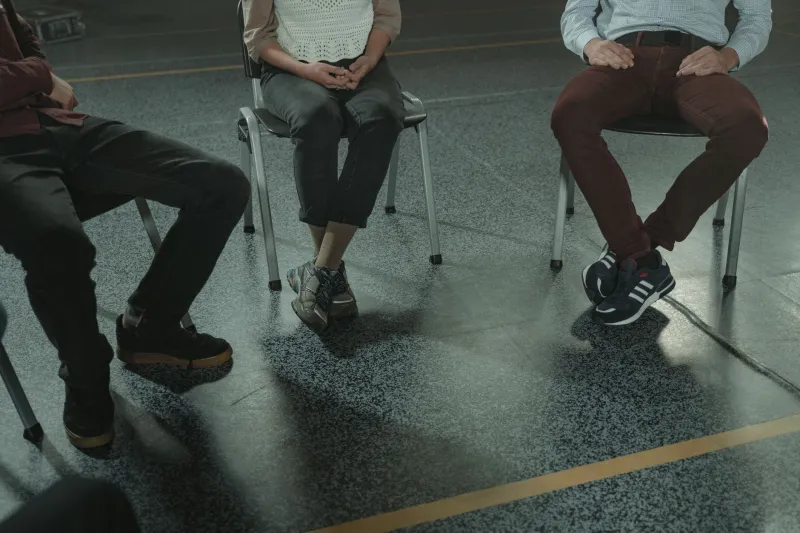
Every co-op has a version of this meeting. Someone raises an item, someone else sighs loudly, and a third person says: "Can we take that offline?" The room exhales. Nothing gets decided. The minutes record a decision to decide later.
Conflict is not a sign your co-op is broken. It's usually a sign that people care enough to argue, which is more than you can say for a lot of organisations where everyone nods and then does whatever the person with the biggest salary wants. But shared power does mean shared friction, and friction left alone has a habit of hardening into something structural — a split committee, a stalled project, a treasurer who quietly stops replying to emails.
So here's a working guide to spotting it, containing it, and repairing what you can.
The early signs are boring, which is why we miss them
Fallouts rarely start with a shouting match. They start with logistics. Agendas get longer and vaguer. Items are "deferred pending further discussion" three months running. Someone starts emailing individuals instead of the group. Two people stop sitting near each other. A resignation arrives citing "capacity", which in co-op language can mean anything from a new baby to a complete loss of faith in the chair.
Watch for these too: minutes that suddenly stop recording disagreement; a sub-group that meets more often than the main one; jokes with a small blade in them. None of these are emergencies. All of them are cheap to address now and expensive to address in eighteen months.
Conflict isn't the opposite of consensus
A co-op where nobody ever disagrees is not harmonious. It's quiet, which is different. It usually means a handful of people are absorbing all the deciding, and everyone else has concluded that raising a concern costs more than it's worth.
Useful distinction: a disagreement is about the thing in front of you. A conflict is about the relationship around the thing. Disagreements are the raw material of good governance — you want them. Conflicts need containment, because they start attaching themselves to every subsequent item on the agenda, and then you're not debating the budget line, you're relitigating a comment made in March.
Open books, closed containers
Here's the awkward bit for co-ops like ours. We believe in transparency. We publish the accounts, we open the board papers, we say members should see how decisions get made.
Transparency is not the same as broadcasting everything in real time. Some conflict needs a small, confidential container before it's ready for the whole membership — two people, a facilitator, and an agreement that what's said stays there. If your instinct is to post every rupture in the members' WhatsApp group, you'll get a lot of engagement and no repair.
Equally, don't scrub the record. Minutes should capture decisions, reasoning and dissent in a form a future member could read without wincing — but without airbrushing substantive disagreement out of existence. There's a craft to writing "the board noted concerns about the timeline and agreed to revisit in January" when what actually happened was someone nearly walked out. Write down the substance. Leave out the theatre.
Build the ladder before you need it
The worst time to design a conflict process is mid-fallout, when the two people who need to agree the process are the two people who can't be in the same room.
So do it on a calm Tuesday. A short repair charter, adopted by members and referenced in your rules, with clear steps:
- Direct conversation, with a purpose. Whoever has the issue says so to the person, not about them. Time-limited, not open-ended.
- A trusted third member. Not a friend of either party. Someone with a reputation for listening and no ambitions to win.
- External mediation. A neutral facilitator, ideally someone who understands co-op governance rather than only workplace disputes.
- Formal process. Your rules will have something — a board review, a members' resolution, a disciplinary route for staff matters. Use it without pretending it's a betrayal.
Name who does what, and budget for it. Set aside a few hundred pounds a year in a mediation pot. Co-operatives UK publications, your regional co-op development body, and local mediation services are all worth having on a list before you need to call any of them.
Mediation that actually fits a co-op
The standard model — two parties, one neutral, a day in a beige room — works better for commercial disputes than for a forty-member housing co-op where everyone has to keep watering the same tomatoes.
Alternatives worth knowing about: restorative circles for whole-group ruptures; facilitated members' meetings where the chair steps back and someone else holds the room; conflict coaching for whoever chairs (chairs absorb a lot and get very little support); and a critical friend from another co-op who can hear the situation without a stake in it. Peer support across the movement is one of the genuine advantages of being part of one.
Sometimes it's governance, not personalities
Before you send two people to mediation, check whether the conflict is actually about unclear decision rights. A surprising number are. "They keep overruling us" often turns out to be "nobody wrote down who decides this".
Boring fixes, genuinely effective: a decision register that says who decides what; a schedule of matters reserved for members; explicit delegated authority for staff and sub-groups; and a rule that decisions get written down where people can find them. It's not therapy, but it removes the excuse to have the same argument every month.
Repair doesn't mean friendship
The goal isn't for everyone to like each other again. It's for people to be able to work together, disagree cleanly, and share a room without dread.
What that looks like in practice: a short check-in at the start of meetings; a conversation that ends with specific next steps rather than a vague sense of having cleared the air; someone writing down what changes. Sometimes it looks like a dignified exit — a role stepped down from, a handover done properly, a thank-you that's actually meant. Exits are part of repair too.
Shared futures need mending, not just sharing. Build the ladder now, while the tea is still warm.